
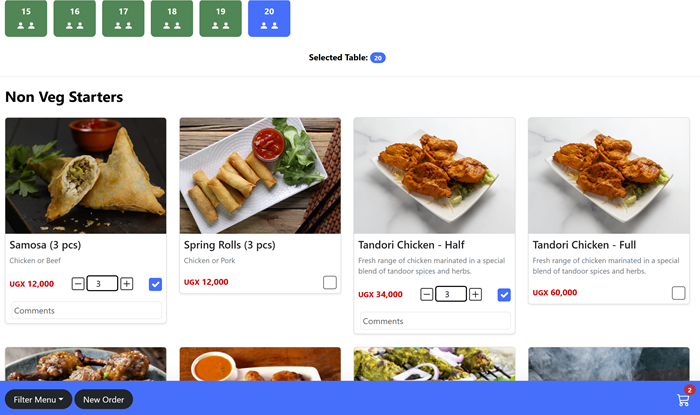
In today's fast-paced dining scene, restaurants face constant pressure to cut costs, boost efficiency, and deliver exceptional customer experiences. Traditional paper menus, once a staple, are increasingly becoming a thing of the past. Enter digital menus—whether through QR codes scanned via smartphones, interactive table tablets, or dynamic digital menu boards. These modern solutions are transforming how restaurants operate, engage guests, and drive profitability.
From quick-service eateries to fine-dining establishments, digital menus offer a smarter, more flexible way to present offerings. Here's why adopting them could be one of the best decisions for your restaurant.
One of the most immediate advantages is slashing ongoing expenses. Printing and reprinting physical menus—especially with frequent updates for seasonal items, price changes, or out-of-stock dishes—adds up quickly. An average restaurant can save hundreds of euros (or dollars) monthly on printing costs alone.
Digital menus eliminate these recurring expenses entirely. Updates happen instantly from a central dashboard, with no need for new prints, laminates, or labor to swap out boards. Over time, this leads to substantial long-term savings, often with a quick return on investment despite any initial setup costs for software or hardware.
Unlike static paper menus that quickly become outdated, digital menus allow instant changes. Running low on an ingredient? Remove or 86 the item in seconds. Introducing a new special or adjusting prices due to supply costs? Done with a few clicks.
This flexibility helps control food costs and minimize waste. Staff can highlight items nearing expiration or promote high-margin dishes dynamically. Restaurants using digital systems report better inventory management and lower spoilage rates, directly improving the bottom line.
Digital menus make ordering more enjoyable and personalized. High-quality photos, detailed descriptions, nutritional information, and allergen filters empower diners to make informed choices quickly. Customers can browse at their own pace on their phones, zoom in on images, or even filter by dietary preferences (gluten-free, vegan, etc.)—features impossible with paper menus.
Many systems support multiple languages, making international or diverse customers feel welcome. Interactive elements, such as suggested pairings or videos, create a more immersive experience, leading to higher satisfaction and repeat visits. Studies show that technology like this is associated with greater perceived professionalism.
Especially post-pandemic, hygiene remains a top priority. QR code or app-based digital menus reduce physical touchpoints—no more passing around menus that multiple hands have touched. Customers scan, browse, and often order directly from their devices, minimizing staff-guest interactions during ordering while freeing servers to focus on genuine hospitality.
This contactless approach not only feels safer but also streamlines service, particularly in busy periods.
Dynamic digital menus are powerful sales tools. Eye-catching images and strategic placement of high-profit items (like desserts or premium add-ons) encourage upselling. Restaurants often see increases in average order value—sometimes by 10-30%—thanks to vivid visuals that stimulate appetite and easy recommendations.
Features like real-time promotions, combo suggestions, or weather-based highlights (e.g., cold drinks on hot days) further drive revenue. Faster ordering also improves table turnover, allowing more customers to be served without compromising quality.
Digital menus reduce miscommunication between customers, servers, and the kitchen. Orders go straight to the system, cutting ordering errors by up to 30% in some reports. Wait times shrink as guests can start browsing immediately upon seating, and staff spend less time distributing or explaining menus.
This efficiency translates to shorter waits, happier guests, and the ability to handle higher volumes during peak hours. Data collected from digital platforms also provides valuable insights into popular items, peak ordering times, and customer preferences—helping refine menus and operations.
Going digital is eco-friendly: it drastically cuts paper waste and printing-related environmental impact. In an era where sustainability matters to many diners, this aligns your restaurant with modern values.
Moreover, embracing digital menus signals that your business is forward-thinking and tech-savvy, appealing especially to younger demographics who expect seamless digital experiences. Many diners now prefer restaurants offering paperless options
Potential Challenges and Getting Started
While benefits are clear, success depends on choosing user-friendly systems and ensuring reliable Wi-Fi. Initial costs for setup and staff training exist, but most restaurants recoup them quickly through savings and increased revenue.
Start small—perhaps with QR code menus linked to an online platform—then expand to full digital boards or table tablets as needed. Many providers offer scalable solutions tailored to different restaurant sizes.
Conclusion: A Menu for the Future
Digital menus are more than a trendy upgrade; they represent a strategic shift toward efficiency, sustainability, and superior guest experiences. By reducing costs, minimizing errors, boosting sales, and adapting instantly to changing conditions, they help restaurants thrive in a competitive industry.